When You Need Luxury Alcohol Rehab in New Jersey
Alcohol addiction, clinically known as alcohol use disorder (AUD), is a complex medical condition that develops when someone loses the ability to control their drinking despite serious consequences. These often affect health, relationships, work, and emotional stability. What begins as occasional drinking can slowly turn into a pattern that feels impossible to stop.
Many people still use terms like alcoholism or alcohol abuse when discussing this issue. While widely recognized, these terms can unintentionally reinforce stigma. Addiction affects brain chemistry, behavior, and decision making. When people believe addiction reflects weakness or poor character, they often delay seeking help. That delay can make recovery more difficult.
If alcohol use has started to affect daily life, health, or relationships, waiting rarely improves the situation. Early recognition and professional support from the best alcohol rehab in New Jersey can dramatically improve outcomes. In other words, it’s time to call Rubicon Recovery Center in Watchung, NJ.
Recognizing the Physical Signs of Alcohol Misuse
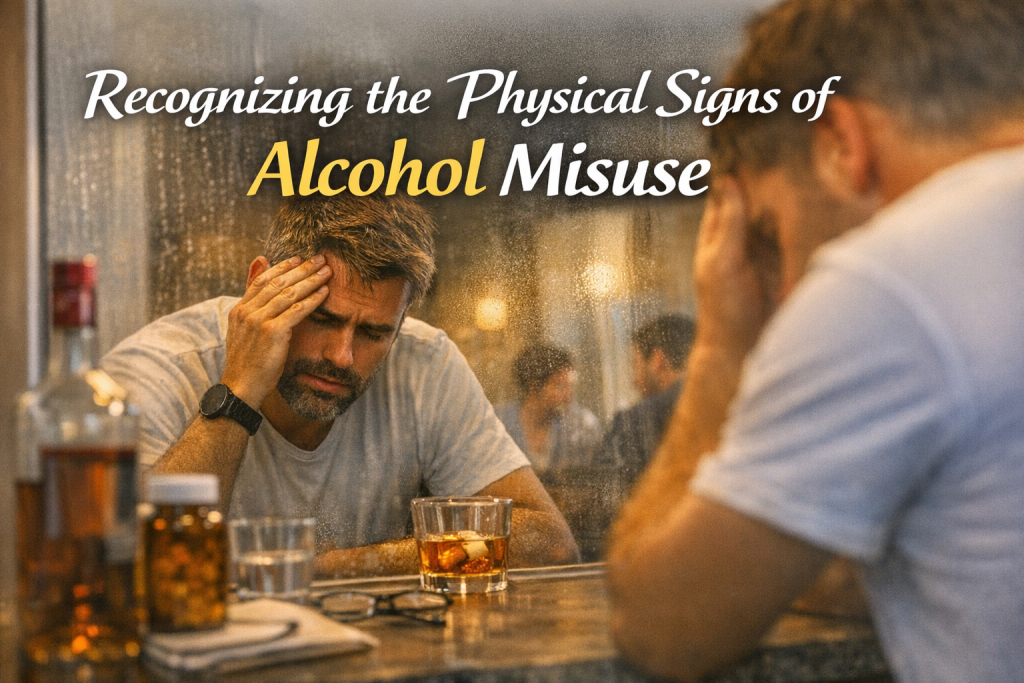
While occasional drinking may cause temporary intoxication, too much can create serious health complications.
The outward signs of inebriation vary depending on blood alcohol concentration and one’s tolerance level. Early signs often include reduced coordination and slower reaction times. As drinking increases, symptoms can escalate to slowed breathing, reduced heart rate, and dangerous drops in body temperature. In extreme cases, alcohol poisoning can be fatal.
Frequent intoxication may indicate a deeper issue with alcohol. Over time, alcohol disrupts brain function and damages organs throughout the body. Chronic heavy drinking can inflame the stomach lining, leading to persistent indigestion, nausea, and abdominal discomfort.
Additional physical problems may include slurred speech, poor coordination, impaired memory, uncontrolled eye movements, sweating, rapid heart rate, diarrhea, bloating, erectile dysfunction, excessive sleepiness, and episodes of vomiting. Some people may also develop jaundice, which signals liver damage.
One of the most serious results of long-term alcohol use is physical dependence. When this occurs, the brain adapts to alcohol’s presence. If drinking suddenly stops, the body can react with withdrawal symptoms. These may include anxiety, agitation, insomnia, tremors, hallucinations, nausea, and seizures.
Alcohol withdrawal can be medically dangerous. Attempting to quit without professional supervision may put a person at risk for severe complications.
Behavioral Warning Signs of Alcoholism
Alcohol doesn’t only affect physical health. It changes how the brain processes emotions, judgment, and impulse control. As a result, behavioral changes often appear before physical damage becomes obvious.
One of the earliest signs is impaired judgment. At the same time, alcohol can also increase aggression and lead to inappropriate actions that damage personal relationships.
Mood instability is another common indicator. Those struggling with alcohol, often experience sudden mood swings, irritability, depression, or anxiety. Over time, alcohol may worsen underlying mental health conditions, creating a cycle where drinking becomes a coping mechanism.
Social functioning frequently deteriorates as drinking progresses. Relationships may become strained due to arguments, broken promises, or emotional withdrawal. Work performance may decline, resulting in missed deadlines, reduced productivity, or repeated absences.
These behavioral shifts often appear gradually. Friends and family may notice changes long before the person acknowledges a problem. Taking these signs seriously can prevent further harm.
Why Acting Early Matters
Alcohol addiction tends to progress over time. What begins as occasional boozing can evolve into dependency and long-term health damage if left untreated. Waiting for the situation to improve on its own rarely works.
Early intervention significantly improves the chances of recovery. The longer drinking continues, the more deeply it affects brain function, emotional stability, and physical health. Addressing the issue sooner allows folks to regain control before complications become severe.
Ignoring the problem can also strain relationships, jeopardize careers, and lead to serious medical ramifications, such as liver disease, cardiovascular issues, and neurological damage. Taking action early protects not only the individual, but also their family and future.
Treatment Options for Alcohol Addiction
The first step often involves speaking with a primary care physician, addiction specialists, or licensed therapist. A professional evaluation can clarify the severity of the problem and guide somebody toward appropriate treatment options.
For many people, getting clean begins with medically supervised detox. The process helps the body safely eliminate alcohol while medical professionals monitor symptoms and manage withdrawal. Because alcohol withdrawal can trigger seizures and other dangerous complications, detox should never be attempted alone when dependence is present.
Detox, however, is only the beginning of recovery. Long-term success usually requires a comprehensive approach that addresses both physical dependence and the underlying psychological factors that contribute to addiction.
Medication can play a role in reducing cravings and preventing relapse. Certain medications help stabilize brain chemistry and reduce the urge to drink. These are most effective when combined with behavioral support.
Behavioral treatments are a core component of recovery. Approaches, such as cognitive behavioral therapy help identify triggers, change harmful thought patterns, and develop healthier coping strategies.
Support groups also provide a valuable recovery network. Programs create accountability, encouragement, and connection with others who understand the recovery journey. See more on Rubicon’s programs page.
Taking the First Step Toward Recovery
If alcohol has started to control decisions, damage relationships, or affect health, delaying treatment can make the problem harder to overcome. Recovery becomes easier when action is taken early.
Professional help at the top alcohol rehab in New Jersey provides structure, medical safety, and the tools needed to rebuild a healthier life. With the right support system, a person can break the cycle of drinking and regain control over their future.Contact Rubicon Recovery Center’s admissions team today.